
Ergonomics is more than comfort. It's also about safety.
Working on a ship build or retrofitting project? Concerned about your development times getting longer and longer?
You've come to the right place. In this article we’ll share ways to avoid missing deadlines and costly delays by planning for ergonomics and safety early on with virtual tools.
The Problem: Ever-increasing Development Times
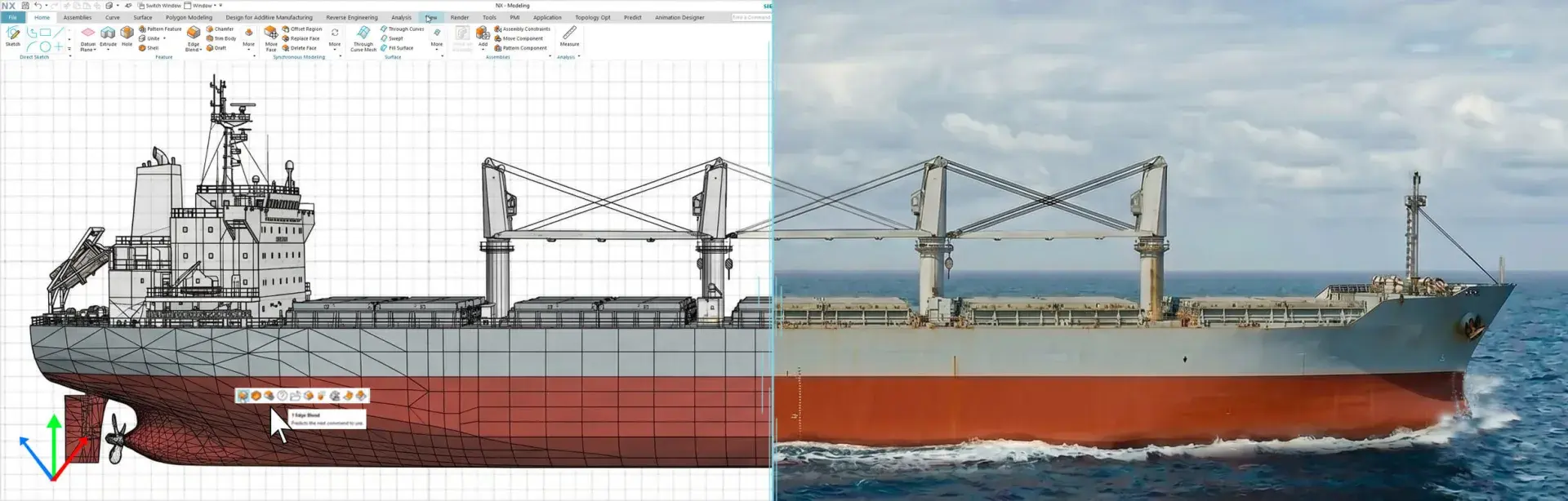
THE NEGATIVE HEADLINES ARE EVERYWHERE:
- “New report warns of growing crisis in US shipbuilding” (WorkBoat Magazine, 1)
- “The United States faces challenges in building ships on relevant timelines and at cost.” (Center for Strategic and International & International Studies, 2)
- “European [ship] yards have struggled under high labor, energy, and compliance costs in a market that rewards low prices and rapid delivery.” (SSI Shipping Blog, 3)
Many naval shipbuilding programs are struggling with delays. The results are leaders being grilled by government oversight committees, sudden project cancellations, and skilled workers losing their jobs mid-project.
The American shipbuilding industry is greatly reduced. Large US oceangoing vessel production is down from 20 large vessels produced per year in the 1980s to less than five per year in recent years. Many European countries face similar challenges with higher labor costs and aging industrial workforces.
These challenges have shifted where most ship construction takes place. Most global tonnage of commercial vessels is now built in China, Korea, and Japan.
One lesson is that shipbuilders need to streamline building projects. However, right now, across the maritime industry many projects and shipyards are seeing record cost overruns, increasing delays, and longer development times.
The solution: more virtual validation
It doesn’t have to be like this. Automotive manufacturers have established proven best practices for solving ergonomic and safety challenges early in the design process.
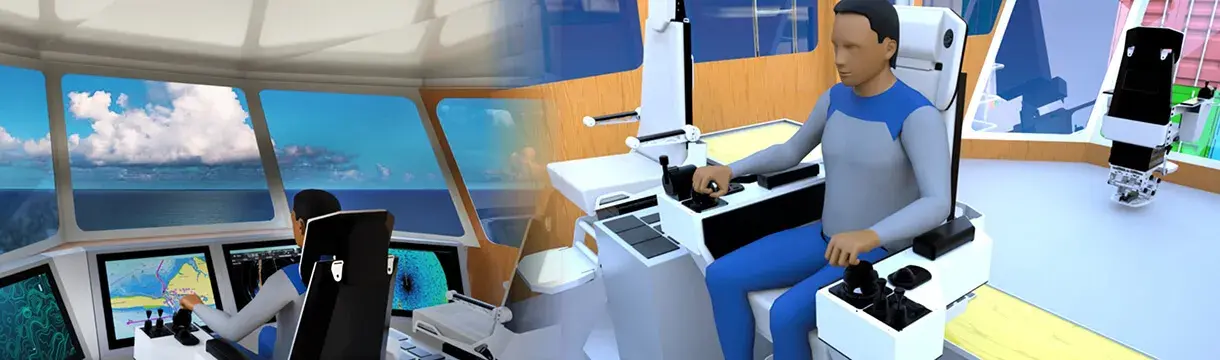
Solving design flaws and compliance risks with virtual models, before any costly mockups or construction begin, can save a ton of time and money.
RAMSIS is our industry-leading software package for ergonomic design. It’s widely used by automotive manufacturers and increasingly by airplane, industrial machines, and outer space manufacturers.
RAMSIS CAN HELP SHIPBUILDERS:
- Design better command bridge and crew areas
- Plan for visual acuity
- Improve SOLAS compliance with evacuation routes
- Build for inclusivity
When shipbuilders plan for ergonomics early, a ton of time and money can be saved. Development times can be shortened.
You can integrate RAMIS into your project no matter what systems you’re using.
RAMSIS IS AVAILABLE AS:
- A standalone Windows software package
- Integrated module:
- 3DEXPERIENCE
- CATIA V5
- Siemens NX
Interested in More Content Like This?
Subscribe to the Humanetics Pulse newsletter to learn more about Humanetics Products, News, and Industry Updates.
Three ways to use ergonomics software to prevent delays and reduce development time
Here are some proven ways to prevent costly delays by implementing human-centered design.
1. ELIMINATE PHYSICAL MOCKUP "BOTTLENECKS”
In the past, validating maritime ergonomics was done with late-stage, slow, and expensive physical mockups. If errors were found, production would have to be paused.
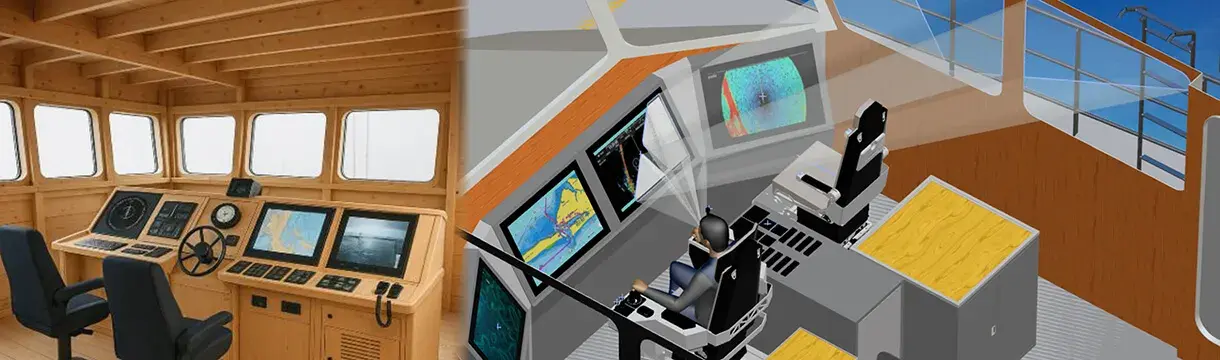
Now, digital human modeling has changed everything. With RAMSIS, naval architects can reduce work by eliminating physical mockups.
Doing validation in the digital realm keeps timelines on track. Costs are lowered. Development times are shortened.
Vessels are built right the first time. The physical mockup phase only needs to be done once.
2. FUTURE-PROOF WITH DATA-DRIVEN HUMAN MODELS
Often, late-stage changes or retrofits happen because the workspace can’t accommodate the actual crew.
Modern crews are diverse. Crew members come from all over the world. Using “averages” for measurements to make sure crew areas really work for people doesn’t work.
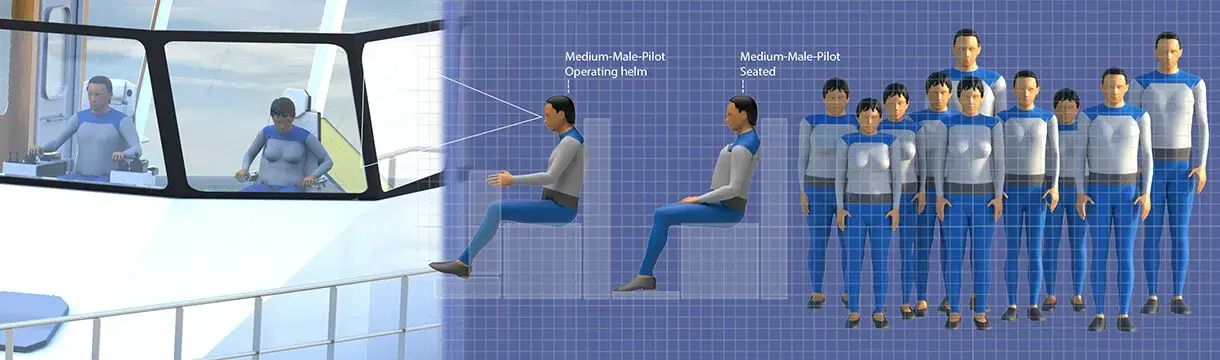
With RAMSIS you have access to the world’s largest collection of anthropometric data. You can make sure you design inclusive spaces that work for everyone.
3. BE READY FOR SAFETY AND COMPLIANCE
The largest and most costly delays often come from failing safety or compliance inspections.
It’s crucial to anticipate requirements. RAMSIS helps you implement a Safety-First approach. You can prevent health risks and unsafe crew areas long before construction or mockups begin.
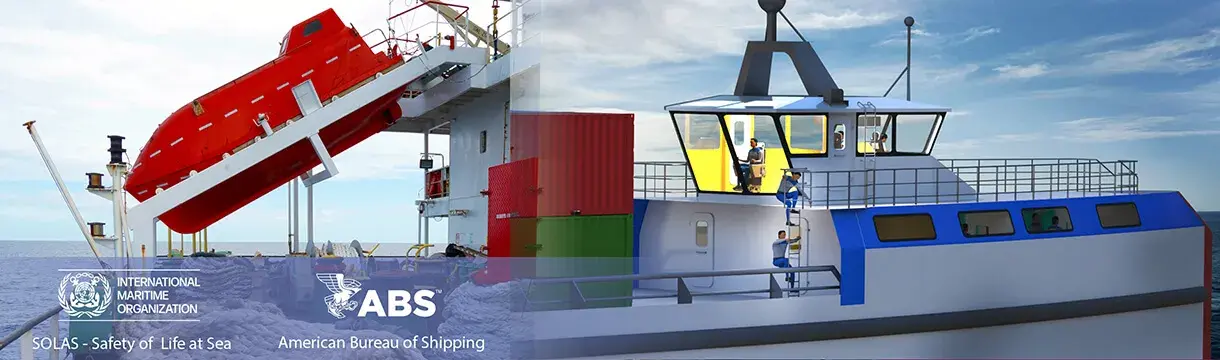
Digital human modeling streamlines regulatory compliance. You can validate for ISO, ABS, and SOLAS requirements within your CAD environment.
This proactive validation ensures that your design is fully compliant and safe. You’ll avoid the scheduling nightmares associated with late-stage redesigns.
Conclusion: Treat Ergonomics as Essential
With so many challenges facing modern shipbuilders its important you find ways to reduce development times. Implementing safety-first ergonomics during your CAD design process is a proven way to keep your complex projects on track.
KEEP LEARNING
We have more resources and experts standing by to help you plan or improve your ship building projects.
Speak To An Ergonomics Expert
Connect with our ergonomic experts to learn how you can streamline your next or current project. No one ever regrets saving money or preventing delays.
Frequently Asked Questions
What is RAMSIS?
RAMSIS is a powerful digital ergonomics software used by global automotive, aerospace, and maritime manufacturers.
How can RAMSIS reduce shipbuilding development time?
RAMSIS Ship is used to make sure design works for everyone. Using RAMSIS body data, the largest dataset in the world, each area -from the bridge to the crew quarters- can be verified for comfort, efficiency, and safety. All of this can be done before any expensive physical mockups or construction begins. This reduces development time and saves money.
How does body data help shipbuilders save money?
Using RAMSIS body data allows shipbuilders to take the “guesswork” out of design. Instead of building something that fits an “average body type”, you can verify designs against real body data. Designs can be verified to work with multiple real-life body sizes. This is especially important in shipbuilding since ships are crewed with workers from all over the world with diverse body sizes.

Dr. Hans-Joachim Wirsching
Dr. Hans-Joachim Wirsching is a Senior Product and Project Manager for Ergonomics at Humanetics, with over 25 years of experience in developing digital ergonomic simulation applications. He specializes in integrating methods and models into the ergonomic design tool and digital human model RAMSIS, combining scientific knowledge with the practical requirements of vehicle engineers. Hans-Joachim is also an active member of the digital human modeling community, contributing conference papers and presentations that address new developments and applications of RAMSIS.